If you love the idea of a home with charm, craftsmanship, and a real sense of place, Belmont-Hillsboro likely feels like a natural fit. But buying a historic home here also means looking beyond the pretty porch and original details to understand how these houses were built, how they live today, and what changes may require review. This guide will help you understand the styles, tradeoffs, inspections, and renovation rules that matter most when buying a historic home in Belmont-Hillsboro. Let’s dive in.
Why Belmont-Hillsboro Feels Different
Belmont-Hillsboro developed as a streetcar suburb, with its oldest sections subdivided in 1890 and 1891 and streetcar service along Belmont Boulevard beginning in 1901. Development continued into about 1940, which helps explain the neighborhood’s wide range of early-20th-century homes and streetscapes. According to Metro design guidelines for Belmont-Hillsboro, that variety is one of the area’s defining features.
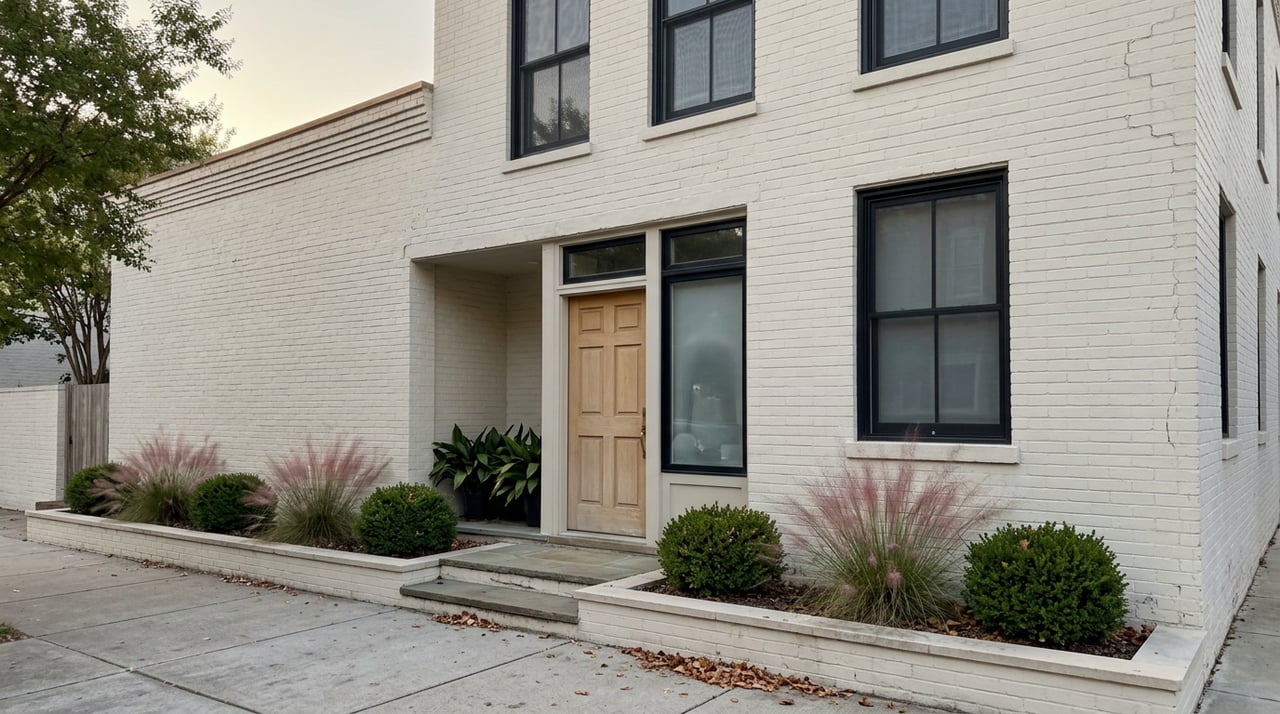
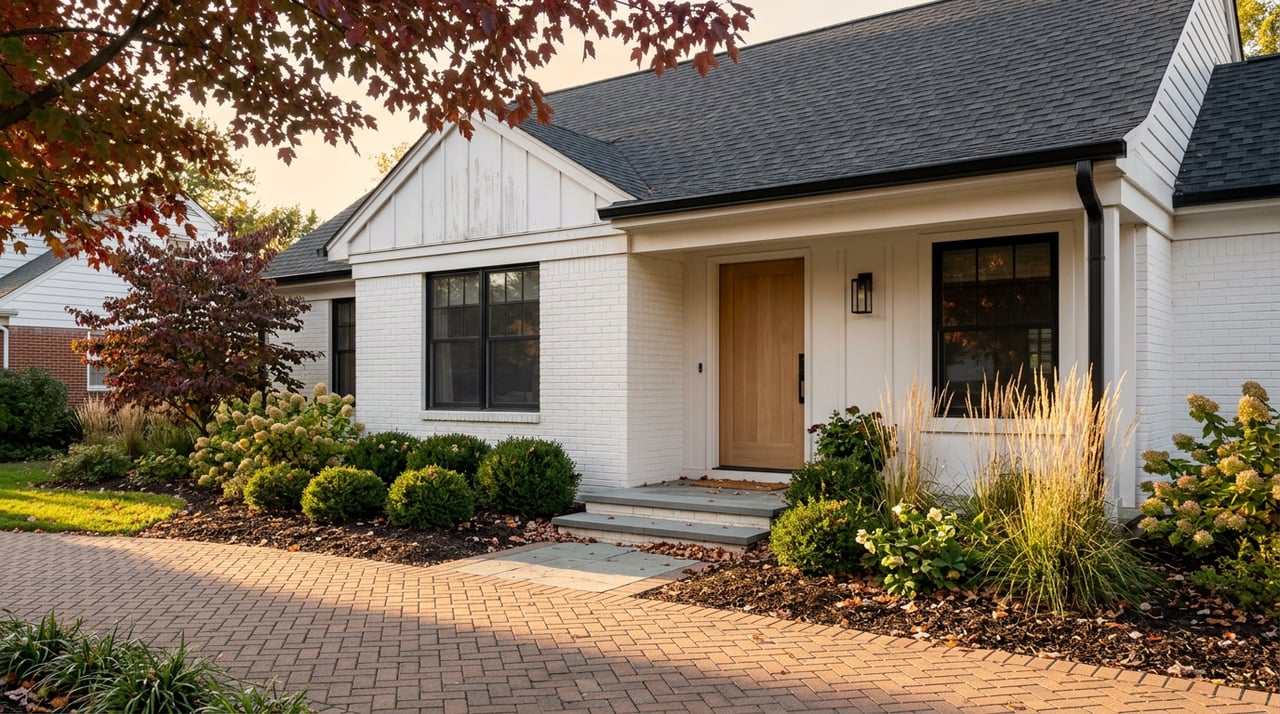
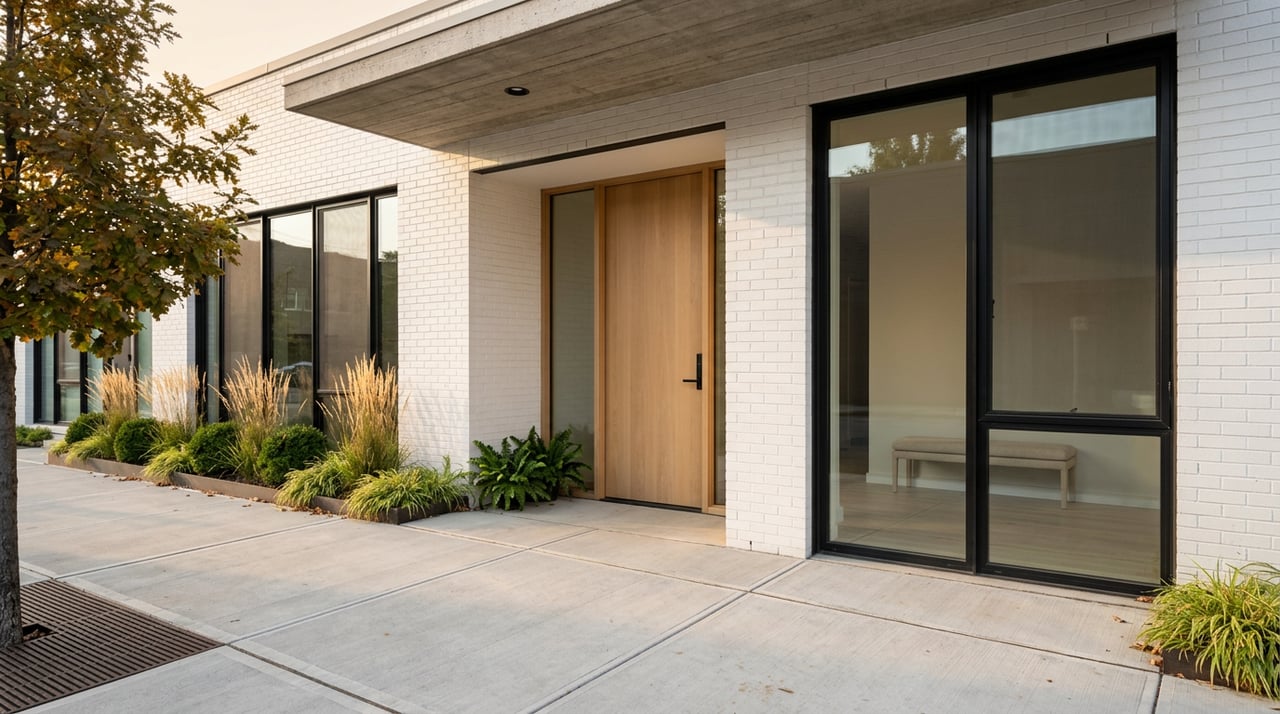
You will see a mix of bungalows, cottages, American foursquares, and Tudors, along with smaller numbers of Prairie, eclectic revival, and contemporary homes. A large portion of the neighborhood was listed in the National Register of Historic Places in 1980, which adds to its long-standing identity and appeal. For buyers, that usually means you are not shopping for cookie-cutter homes. You are comparing houses with distinct layouts, materials, and renovation histories.
What Makes a Home “Historic” Here
In Belmont-Hillsboro, the key thing to understand is that the neighborhood is governed by a Neighborhood Conservation Zoning Overlay, not a historic preservation overlay. That distinction matters because the overlay does not change permitted land use, but it does add review for certain exterior changes.
In practical terms, review applies to new construction, additions, demolition, and relocation. Interior projects are not reviewed, and the neighborhood organization notes that exterior paint color, fences, and landscaping are also not reviewed under this overlay. That gives you more flexibility inside the home while still protecting the overall historic character of the streetscape.
Common Home Styles in Belmont-Hillsboro
Bungalows
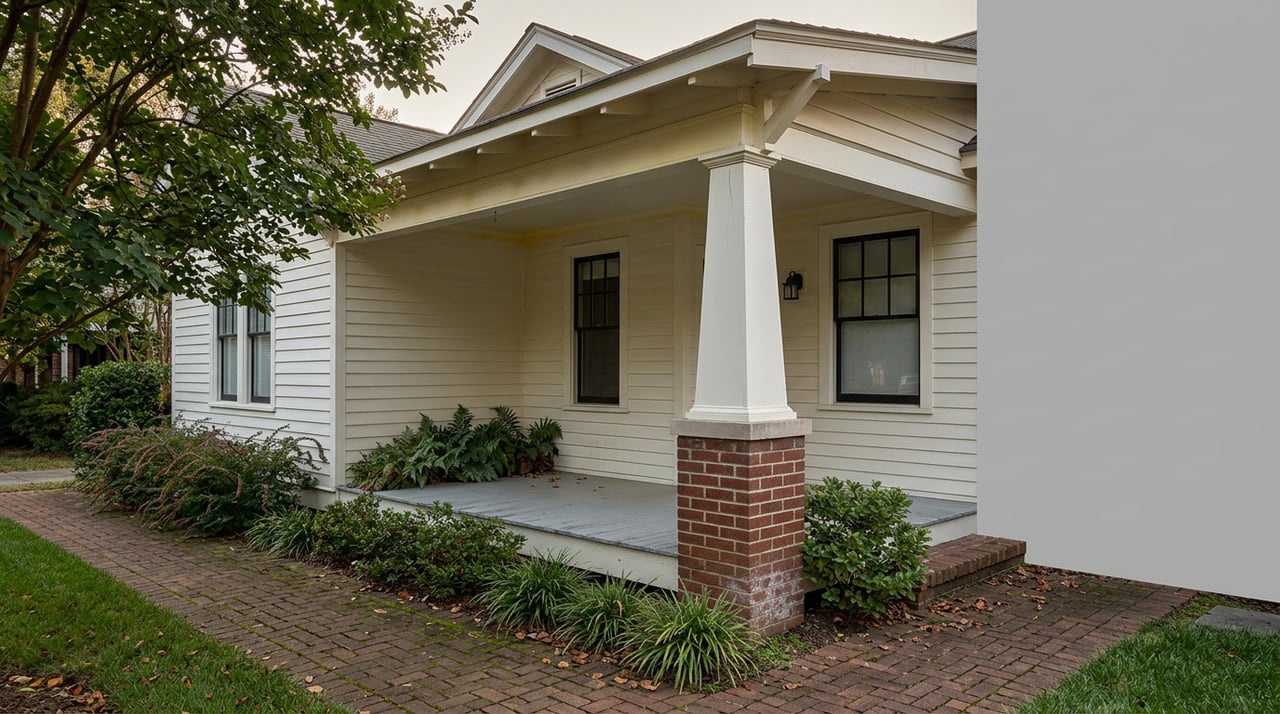
Bungalows are typically one to one-and-a-half stories with a low profile, broad roofline, and a strong connection to the front porch. Their floor plans are usually compact, with side-by-side rooms arranged front to back, a short hall, and living and dining spaces that may open to each other. The National Park Service overview of bungalow plans also notes features like sleeping porches in some homes.
For you as a buyer, that often means great curb appeal and cozy, defined spaces, but also less storage and smaller kitchens than you might expect in a newer house. These homes can live beautifully, but it helps to go in with realistic expectations.
American Foursquares
American foursquares are usually two-story homes with square or rectangular shapes, low-pitched hipped roofs, and full-width front porches. Their interiors often follow a very efficient pattern of four similarly sized rooms. The National Register documentation on American Foursquares points to their balanced, more symmetrical appearance.
For buyers, foursquares often offer more straightforward room sizing and a little more separation between spaces. If you like historic character but want a layout that can feel more orderly and functional, this style may be especially appealing.
Tudors and Colonial Revival Homes
Tudor Revival homes are generally asymmetrical, with steep roofs, gables, brick or stucco finishes, narrow windows, and recessed or arched entries. Colonial Revival homes tend to be more symmetrical, with rectangular forms and prominent front entries or porches with classical details, based on National Park Service architectural guidance.
These homes often draw buyers who want strong architectural personality. They can also come with very style-specific exterior details, which means repairs and additions usually deserve extra thought before you make changes.
Floor Plan Tradeoffs to Expect
Historic homes in Belmont-Hillsboro were built for a different era, so the layouts often reflect different priorities than newer construction. You may find smaller kitchens, fewer closets, and more defined rooms instead of one large open living area. According to the same bungalow plan guidance from the National Park Service, that is typical of early-20th-century design rather than a flaw.
This is often where buyers need to separate what is cosmetic from what is structural. A house may feel less open than a new build, but that does not mean it lacks potential. In many older homes here, kitchens, baths, and storage are the areas owners most often target for thoughtful updates.
What the Overlay Means for Renovations
Before you buy, it is smart to understand what types of exterior projects are more likely to fit the neighborhood guidelines. Belmont-Hillsboro’s Metro design guidelines generally favor additions that are compatible but clearly distinguishable from the original house.
Rear additions are preferred. They should not disturb the front or side facades and should generally be set back from the historic wall plane. They should also remain subordinate in height, width, and massing so the original house still reads as the primary structure.
Dormers may be a traditional way to add light and ventilation, but they should not require the removal of historic features like original dormers or chimneys. Front-porch enclosures are not considered appropriate. Side-porch enclosures may be acceptable if the original form and openings remain visible and undisturbed.
Materials matter too. The guidelines state that exterior work should be compatible with surrounding historic buildings, and vinyl and aluminum siding are not appropriate. In other words, when you update a historic home here, the goal is not to fake something old. The goal is to respect what is there and make new work fit gracefully.
Inspection Priorities for Older Homes
When you are considering a historic home in Belmont-Hillsboro, the inspection process should focus heavily on the building envelope. That includes the roof, gutters, flashing, chimney, masonry, and drainage. Historic New England’s recommended maintenance schedule highlights these systems because moisture is one of the biggest long-term threats to older homes.
Pay close attention to cracked mortar, loose masonry, chimney condition above the roofline, missing shingles, clogged gutters, and signs of moisture-related damage. These issues are not unusual in older homes, but you want a clear picture of condition and likely maintenance needs before you move forward.
Look Closely at Windows
Historic windows deserve special attention because many are repairable. The National Park Service guidance on evaluating windows recommends documenting condition window by window and considering repair, weatherstripping, re-glazing, and storm windows before replacement.
During due diligence, look for failing glazing putty, paint failure, sash problems, and noticeable air leaks. Original windows are often part of a home’s character, so understanding whether they need repair or replacement can affect both your budget and your renovation plans.
Check for Lead and Asbestos Risks
If you are buying an older home, lead-based paint should be part of your due diligence. The EPA explains that homes built before 1978 are more likely to contain lead-based paint unless testing shows otherwise. If you plan to open walls, sand painted surfaces, or do renovation work, lead-safe practices matter.
Asbestos can also be a concern in homes built after 1930 and before the 1970s, and may appear in materials used even before 1990. The EPA’s home retrofit protocols note potential asbestos in insulation, flooring, roofing, siding, joint compound, and old plaster. If material is in good condition, it should not be disturbed. If work is needed, qualified testing or handling is important.
Smart Updates That Preserve Character
The best update strategy for a Belmont-Hillsboro historic home usually starts with one simple principle: repair rather than replace when possible. Both the Metro guidelines and the Secretary of the Interior’s Standards support retaining historic features, repairing deteriorated materials in kind, and making additions visually compatible without trying to imitate the original exactly, as outlined in the Metro guideline document.
For many buyers, the highest-value features are the hardest to recreate later. Think porch proportions, roof shape, original window openings, masonry, and the relationship between the house and the street. Those details often do the most to preserve the feeling that made you fall in love with the home in the first place.
The good news is that because Belmont-Hillsboro uses a conservation zoning overlay rather than a historic preservation overlay, interiors can usually be modernized more freely. The neighborhood organization notes that this makes practical upgrades to kitchens, baths, and systems more achievable while the exterior character remains protected through review. That balance is one reason these homes appeal to buyers who want both history and livability.
How to Buy With Confidence
Buying a historic home in Belmont-Hillsboro is partly about taste, but it is also about planning. You want to know what style you are buying, what systems may need attention, and what changes may require review later. A beautiful old house can be a wonderful investment in lifestyle and place, especially when you go in with a clear understanding of its condition and character.
If you are considering a historic home in Belmont-Hillsboro, working with an advisor who understands architecture, renovation potential, and neighborhood-specific rules can make the process much smoother. For tailored guidance on finding the right fit and evaluating a home’s possibilities, connect with Suzanne McMillan.
FAQs
What types of historic homes are common in Belmont-Hillsboro?
- Belmont-Hillsboro is known for bungalows, cottages, American foursquares, and Tudors, along with smaller numbers of Prairie, eclectic revival, and contemporary homes.
What does the Belmont-Hillsboro conservation overlay review?
- The overlay adds review for new construction, additions, demolition, and relocation, but it does not review interior projects, exterior paint color, fences, or landscaping.
What floor plan differences should buyers expect in Belmont-Hillsboro historic homes?
- Many older homes have smaller kitchens, fewer closets, and more defined rooms rather than the open floor plans common in newer construction.
What should buyers inspect first in an older Belmont-Hillsboro home?
- Priority inspection items include the roof, gutters, flashing, chimney, masonry, drainage, and windows because these systems strongly affect long-term condition.
Can you update the interior of a historic home in Belmont-Hillsboro?
- Yes, interiors can generally be modernized more freely here than in a historic preservation overlay, though exterior work may still require review under the neighborhood conservation guidelines.
Are original windows worth keeping in a Belmont-Hillsboro historic home?
- In many cases, yes. Historic windows are often repairable, and preservation guidance recommends repair, weatherstripping, glazing work, and storm windows before replacement.